30 March 2026 · Informative
Understanding the Difference: EV, HEV, and PHEV
EV vs HEV vs PHEV
As electric and hybrid vehicles become more common, it can be confusing to understand the differences between EVs, HEVs, and PHEVs. Here’s a clear breakdown, including the Toyota models available in Australia, perfect for drivers in Western Sydney.
1. Electric Vehicles (EVs) – Fully Electric, Zero Petrol
What they are: EVs run entirely on electricity. They have no petrol engine and rely solely on batteries, which need to be charged from an external power source. This means zero emissions from the vehicle itself, making them ideal for environmentally conscious drivers.
Pros:
- No petrol usage, reducing running costs significantly
- Smooth and quiet driving experience
- Reduced maintenance due to fewer moving parts
Cons:
- Range depends on battery capacity (charging may be needed during longer trips)
- Charging infrastructure is improving but may require planning for long-distance travel
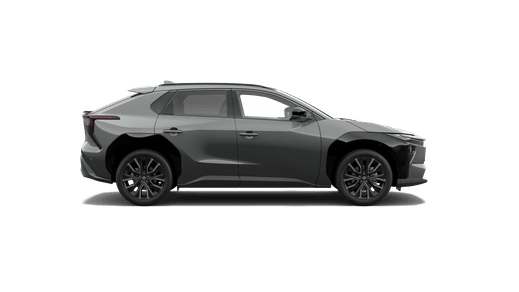
Toyota models in Australia: While Toyota currently focuses on hybrids, the bZ4X is Toyota’s first all-electric SUV available in Australia, with a competitive range and fast-charging capabilities.
2. Hybrid Electric Vehicles (HEVs) – Petrol and Electric Together
What they are: HEVs combine a petrol engine with an electric motor. The electric motor assists the petrol engine, improving fuel efficiency and reducing emissions, but the car cannot be plugged in to charge - the battery recharges automatically through regenerative braking and engine power.
Pros:
- Lower fuel consumption than standard petrol vehicles
- No need to plug in - ideal for city and suburban driving in Western Sydney
- Immediate torque from the electric motor improves acceleration
Cons:
- Still uses petrol, so emissions are not zero
- Fuel savings are less dramatic on long highway trips compared to city driving
Toyota models in Australia: Popular HEVs include the Toyota Corolla Hybrid, Toyota Camry Hybrid, and Toyota RAV4 Hybrid, offering practical fuel savings and smooth city driving.
3. Plug-in Hybrid Electric Vehicles (PHEVs) – Best of Both Worlds
What they are: PHEVs have both a petrol engine and a larger battery than HEVs, which can be charged from an external source. This allows you to drive short distances purely on electricity and use petrol for longer trips.
Pros:
- Can drive short trips on electricity alone, reducing petrol use
- Flexibility for long-distance travel without range anxiety
- Eligible for some incentives and lower running costs in certain areas
Cons:
- More expensive upfront than HEVs
- Slightly heavier due to larger batteries
- Requires charging to get maximum efficiency
Toyota models in Australia: The Toyota RAV4 Plug-in Hybrid (RAV4 Prime in some markets) is available, combining electric-only driving capability with the versatility of a petrol engine, perfect for both daily commutes and weekend trips from Western Sydney.
Choosing the Right Vehicle for Western Sydney
- EVs are excellent if most of your driving is local and you have easy access to charging.
- HEVs are convenient for city drivers who want better fuel efficiency without worrying about charging.
- PHEVs offer flexibility, combining electric driving for short trips with petrol for longer drives across NSW.
No matter your choice, Toyota’s hybrid and electric options provide reliable performance and efficiency tailored to Western Sydney drivers.
Contact our team today to learn more, we are here to help.
Frequently Asked Questions
1. What’s the main difference between EV, HEV, and PHEV?
- EVs are fully electric and run only on battery power.
- HEVs combine a petrol engine with an electric motor, but cannot be plugged in.
- PHEVs combine petrol and a larger battery that can be charged externally, letting you drive short distances on electricity alone.
2. Do I need to install a home charger for an EV or PHEV?
For EVs and PHEVs, a home charger is recommended for convenience, though public charging stations are available across Western Sydney.
3. Are hybrids worth it for city driving?
Yes. HEVs and PHEVs perform best in stop-start traffic, where the electric motor assists the petrol engine, saving fuel and reducing emissions.
4. How far can I drive on a fully electric battery?
EV range varies by model. For example, the Toyota bZ4X can cover over 300 km on a single charge, while PHEVs can typically drive 50–70 km in electric-only mode before petrol kicks in.
5. Can I save money with a hybrid or electric car?
Absolutely. Lower fuel costs, fewer service requirements, and potential government incentives can make hybrids and EVs cheaper to run over time.
6. Are there government incentives for EVs and PHEVs in NSW?
Yes. NSW offers various rebates, stamp duty exemptions, and discounts for low-emission vehicles, helping reduce the upfront cost of EVs and PHEVs.